ICTAM XI
Eleventh International Congress of Traditional Asian Medicine
Efficacy, Evidence and Safety in the Practice of Asian Medicine
12–16 July 2027
Nanyang Technological University, Singapore
Conference theme
The WHO recently framed traditional medicine as a vital vehicle for delivering healthcare to billions of people, pointing to its potential as a vital way forward for improving public health. Traditional medicines now sit at the centre of urgent debates about public health, evidence and implementation. As Global health policy is shifting towards traditional medicine, global markets are rapidly expanding in volume, in new forms of products, treatment, representation and research.
ICTAM XI asks how this direction shapes the way we approach scholarship and practice—what historical methods, new implications of contemporary practice come to the fore? As the push for evidence-base traditional medicine becomes a criterion for inclusion, we want to ask what becomes visible—and what may be lost—when living knowledge is translated into clinical, regulatory and evidentiary frameworks? What kinds of evidence count, or get counted, under what conditions, for whom? How are safety and efficacy understood in different medical communities?
These questions span the gamut of historical, ethnographic, clinical, regulatory, and policy frameworks. By asking them together in IASTAM’s unique cross-disciplinary and trans-regional frame, we can develop a more refined vocabulary for understanding problems of the past, present and future.
For perspectives on the recent WHO Summit, listen to this podcast.
Singapore, at a Crossroads of medical exchange
The history of two millenia of medical exchange through Southeast Asia remains visible in Singapore’s botanical institutions, community gardens, heritage foodways, kitchens and clinics. At the city’s hawker centres, Peranakan, Malay, Chinese, Indian and Eurasian foodways bring the same exchange to the culinary table. Their medicinal logics—warming and cooling ingredients, tonic soups, herbal teas, and dietary practices shaped by season and constitution—are transmitted through kitchens as well as texts.
ICTAM XI treats these traditions as scholarship in their own right: heritage caterers, garden tours, heritage sponsors from the traditional medicine world, musical traditions from South China, Indonesia, South Asia and the Malay World. In doing so, the congress brings lived practice and contemporary heritage communities into dialogue with textual scholars and practitioners, WHO delegates and regional health ministers, data-miners and pharmacologists, and graduate students beginning new archival work.
Singapore is not just a venue, it is a living embodiment of cultures and traditions from across Asia which comprise the medicines at the heart of IASTAM.
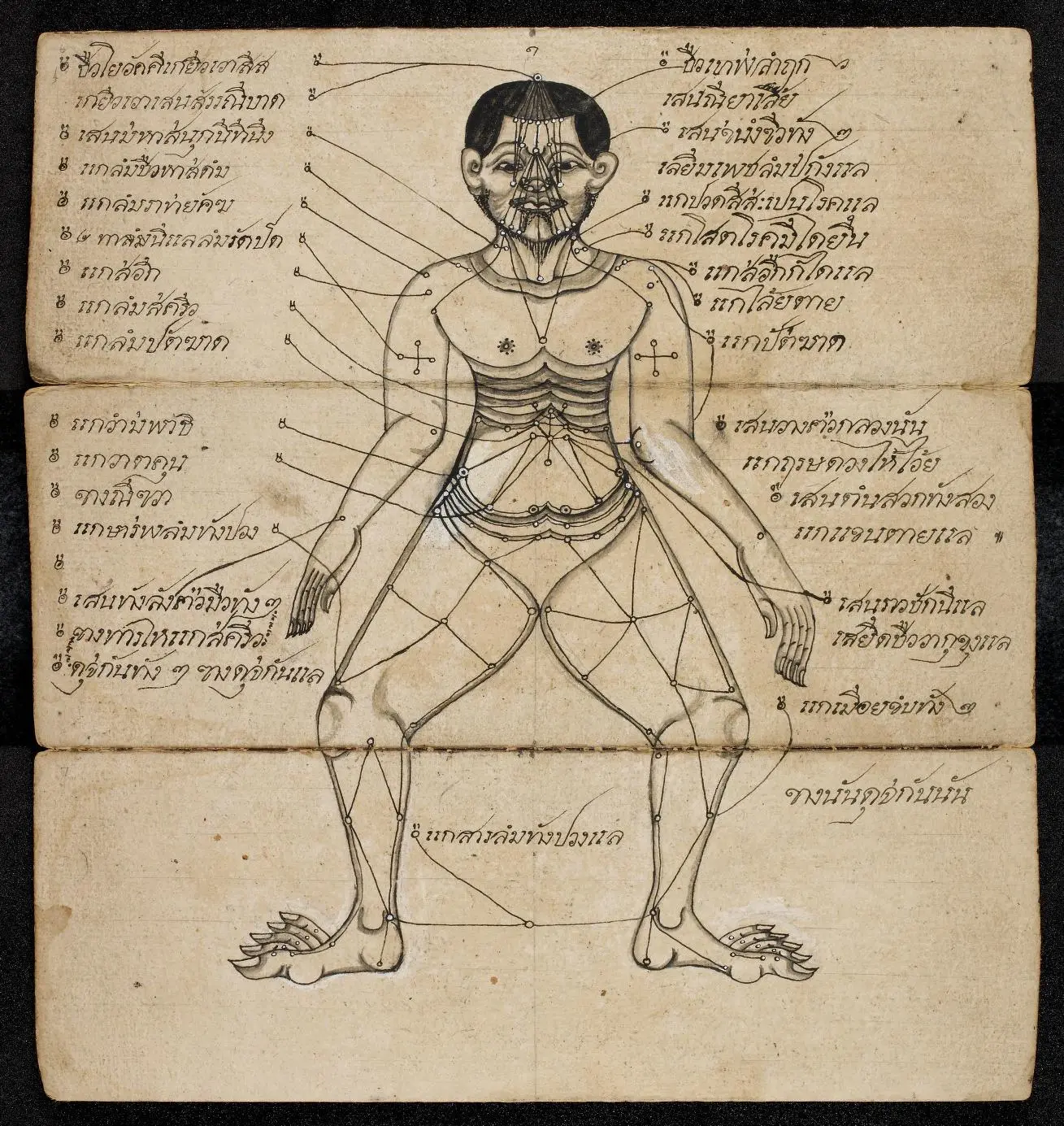
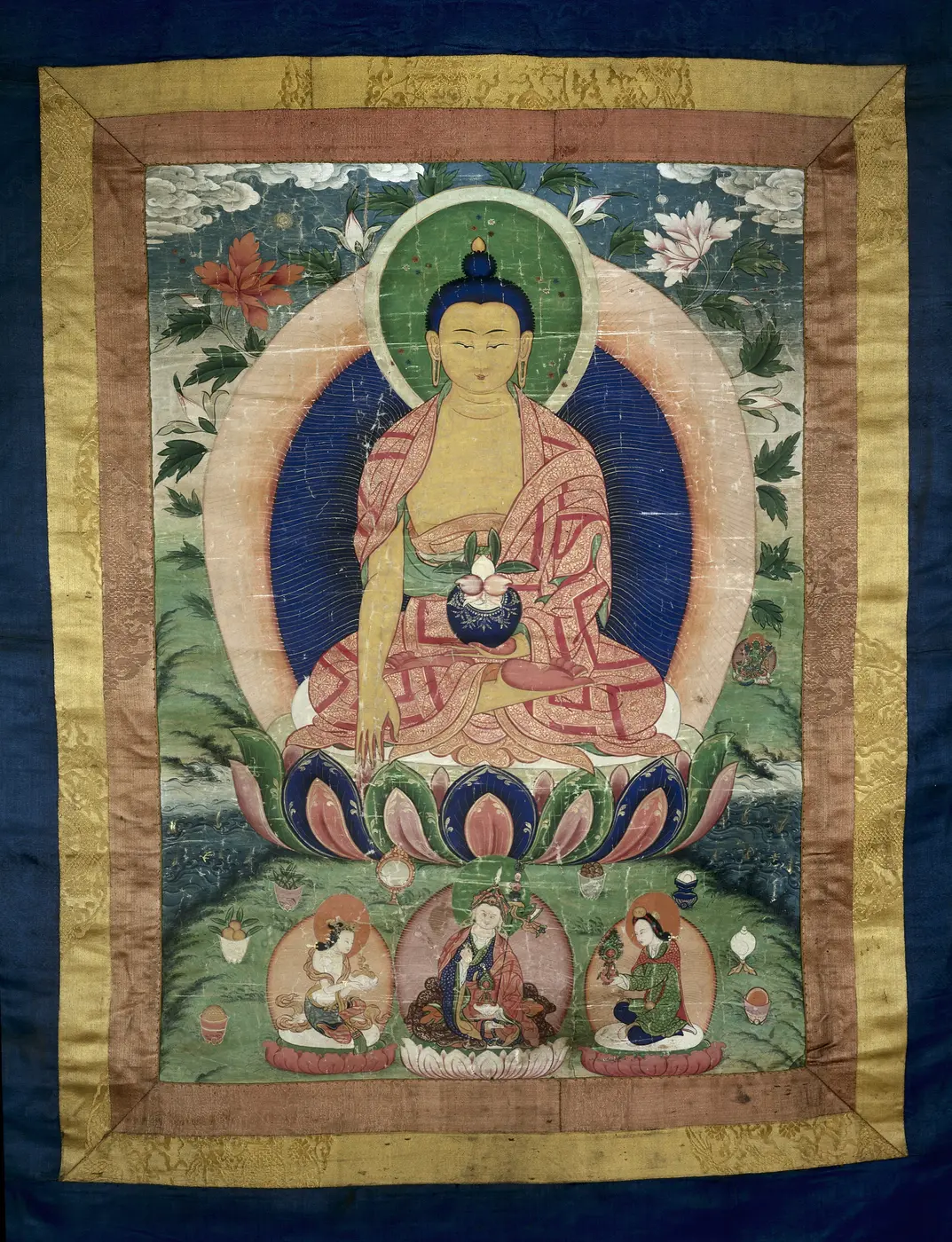
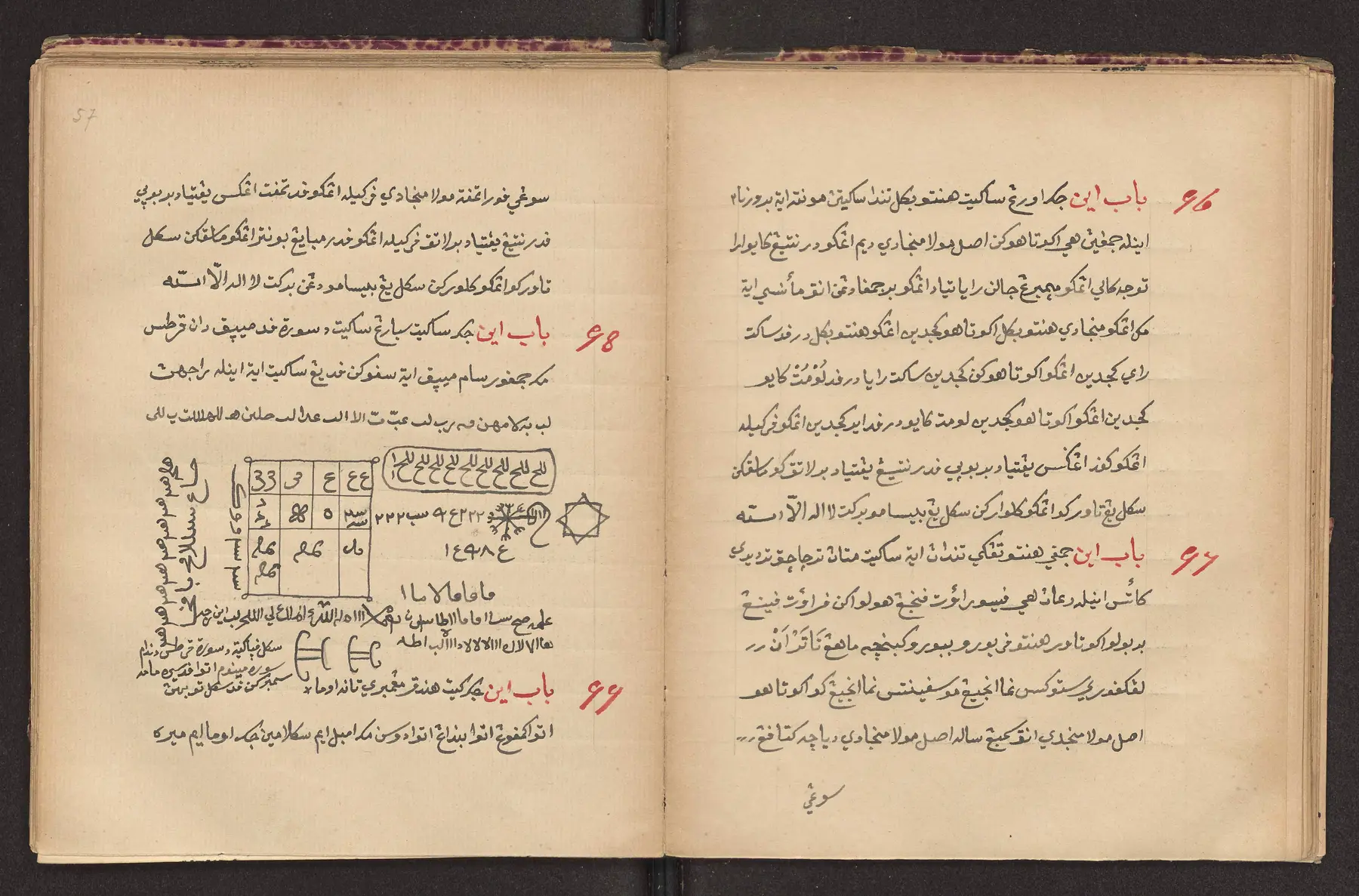
Medicine across Asia
Call for Papers
Read the full call for papers for session formats, themes, submission guidelines, expanded panels and practical workshops.
Read the full Call for Papers →
Conference enquiries: iastam.comms@gmail.com